

Understanding the Authentic Japanese Aesthetic and Cultural Approach
Japanese fashion transcends mere clothing to embody a profound philosophy of mindful simplicity and cultural heritage. According to the Japan Fashion Association's 2024 report, global interest in traditional Japanese garments increased by 34% among millennials seeking authentic cultural expression. The aesthetic principles of wabi-sabi, ma (negative space), and timeless functionality create wardrobes that prioritize quality over quantity. How might embracing this thoughtful approach to dressing transform your relationship with fashion and self-expression? Discover authentic pieces that honor these traditions at https://kimurakami.com/.
The Philosophy Behind Japanese Design Excellence
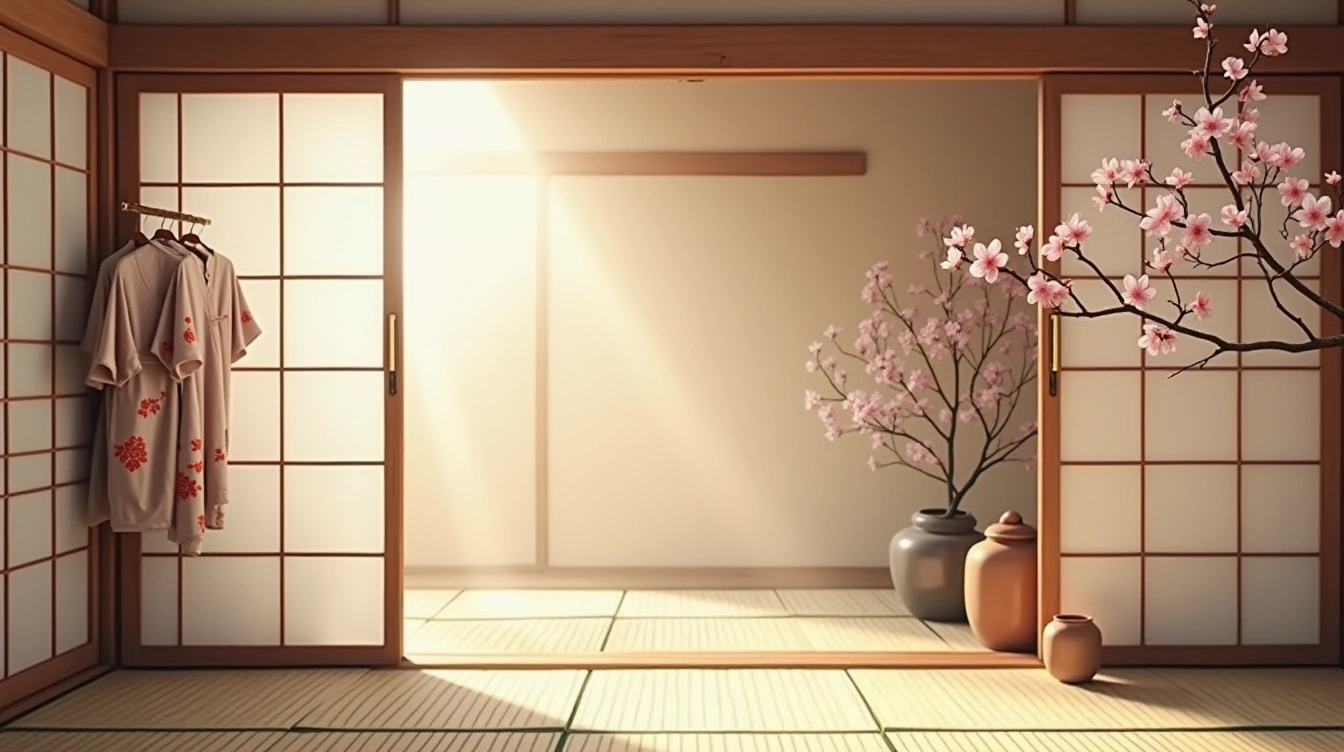
Japanese design philosophy stems from centuries of cultural refinement, where less becomes more through intentional choices. The concept of wabi-sabi celebrates imperfection and transience, finding beauty in weathered textures and asymmetrical forms that tell stories of time's passage.
Ma, the strategic use of negative space, transforms empty areas into powerful design elements. Traditional Japanese garments demonstrate this principle through their clean lines and uncluttered silhouettes, allowing the eye to rest and appreciate each carefully considered detail.
Simplicity in Japanese aesthetics never means emptiness. Every element serves a purpose, from the precise fold of an obi to the subtle gradient of indigo dye in traditional textiles. This intentional restraint creates garments that transcend fleeting trends, embodying timeless elegance that speaks to the soul rather than demanding attention.
Contemporary Japanese fashion houses continue honoring these principles while adapting to modern lifestyles. The result bridges ancient wisdom with current sensibilities, creating pieces that feel both rooted in tradition and relevant to today's world.
Traditional Japanese Fashion and Lifestyle Elements
Traditional Japanese fashion embodies centuries of craftsmanship and aesthetic philosophy. Each garment tells a story, reveals social status, or marks a special occasion in Japanese life.
Discover the iconic pieces that define Japanese elegance:
Kimono: The most refined garment, worn for important ceremonies. Its patterns and colors vary according to the season and the wearer's age.
Yukata: A relaxed summer version of the kimono, ideal for festivals and hot springs.
Hakama: Traditional wide-legged trousers associated with martial arts and formal ceremonies.
Haori: A short jacket worn over the kimono, a symbol of both masculine and feminine elegance.
Obi: A wide sash whose knotting is an art form in itself.
These creations reflect the Japanese aesthetic of wabi-sabi: beauty in simplicity and imperfection. Our partnerships with local artisans guarantee the authenticity of each piece, thus preserving a millennia-old cultural heritage.
How to Integrate These Timeless Elements into Modern Life
Adopting Japanese aesthetic principles doesn't require a complete wardrobe overhaul. Start by embracing quality over quantity when shopping for clothing. Choose pieces made from natural materials like cotton, linen, or silk that align with Japanese values of authenticity and craftsmanship.
Color coordination becomes effortless when you build your wardrobe around neutral tones. Think soft beiges, deep grays, and warm whites as your foundation. These timeless shades mirror traditional Japanese design philosophy while remaining perfectly suited to contemporary fashion trends.
Incorporate traditional elements gradually through accessories and statement pieces. A beautifully crafted obi-inspired belt can transform a simple dress, while delicate jewelry with natural motifs adds subtle Japanese influence to your everyday looks. Focus on meaningful details rather than obvious cultural symbols.
The key lies in understanding that Japanese style transcends specific garments. It's about cultivating an appreciation for simplicity, respecting natural textures, and choosing pieces that bring you genuine joy. This approach makes the aesthetic accessible regardless of your cultural background or budget constraints.
The Cultural Significance Behind Each Garment
Each traditional Japanese garment carries within it centuries of history and profound symbolism. The kimono, for example, does more than simply clothe the body; it tells a story through its patterns, colors, and the way it is worn. Embroidered cranes symbolize longevity, while cherry blossoms evoke the ephemeral beauty of life.
The summer yukata embodies the art of refreshment and simplicity, traditionally worn during matsuri festivals to celebrate community. Its lightweight cotton construction reflects the Japanese philosophy of harmony with the seasons and nature.
Wearing these garments requires a respectful understanding of their codes. The way the obi is tied, the orientation of the kimono's panels, and even the choice of accessories follow precise rules inherited from generations of artisans. This cultural authenticity transforms each outfit into a living tribute to Japanese tradition, far beyond a simple sartorial choice.
Where Authenticity Meets Quality Craftsmanship
Recognizing authentic Japanese clothing requires understanding the subtle details that separate genuine craftsmanship from mass-produced imitations. True traditional garments showcase meticulous construction through hand-sewn seams, natural fabric choices, and authentic dyeing techniques passed down through generations of skilled artisans.
Quality markers include the weight and texture of fabrics, precision in pattern alignment, and the presence of traditional finishing touches like proper obi ties or authentic kanzashi hair accessories. Genuine pieces often feature slight imperfections that reveal their handmade origins, contrasting sharply with the sterile uniformity of factory-produced alternatives.
Our commitment to authenticity extends beyond sourcing. Each piece comes with detailed provenance information, explaining its cultural significance and the artisan's background. We provide comprehensive care instructions and educational materials to help you understand and preserve these cultural treasures properly.
With our 14-day quality guarantee and dedicated cultural education support, you can confidently invest in pieces that honor Japanese heritage while meeting contemporary quality standards. Our expert team remains available to guide your journey into authentic Japanese fashion and cultural appreciation.
Your Questions About Japanese Fashion Culture
What makes Japanese fashion style unique and different from Western clothing?
Japanese fashion emphasizes minimalist aesthetics, clean lines, and functional beauty. Traditional garments prioritize comfort, natural fabrics, and symbolic patterns that reflect seasons and cultural meanings, contrasting with Western fashion's emphasis on body-fitting silhouettes.
How do I incorporate traditional Japanese elements into my modern wardrobe?
Start with subtle accessories like obi-inspired belts, kimono-sleeve tops, or haori jackets over Western outfits. Mix traditional patterns like cherry blossoms or geometric designs with contemporary pieces for an elegant fusion look.
What are the key principles behind Japanese aesthetic and design philosophy?
Japanese design follows principles of wabi-sabi (imperfect beauty), ma (negative space), and kanso (simplicity). These concepts emphasize natural materials, understated elegance, and harmony between form and function in every garment.
Where can I buy authentic Japanese clothing like kimonos and yukatas?
Our boutique partners with traditional Japanese artisans to offer authentic garments with cultural integrity. We provide 14-day guarantees and free delivery, ensuring you receive genuine pieces crafted with traditional techniques and high-quality materials.
What's the cultural significance behind traditional Japanese garments and accessories?
Each garment carries deep meaning: kimono patterns represent seasons and life stages, obi knots indicate marital status, and color combinations follow ancient protocols. These elements transform clothing into wearable storytelling that honors Japanese heritage.